

In the process of municipal sewage treatment, sludge dewatering is a key link, and its effect directly affects the subsequent treatment cost and environmental impact. Traditional sludge dewatering methods often encounter problems such as low dewatering efficiency, large dosage of chemicals, and high moisture content in sludge cakes. However, the application of sludge enhancers provides an efficient solution to these challenges.
Analysis of Pain Points in Sludge Dewatering
Municipal sludge is complex in composition, with a moisture content usually as high as 97% to 99%, and it also contains a large amount of colloidal substances and microorganisms. The traditional dehydration process relies on a single agent (such as polyaluminium chloride and polyacrylamide), which has the following problems:
Youdaoplaceholder0 Low dehydration efficiency : The colloid structure is difficult to destroy, and the free water release is insufficient
Large dosage of chemicals : To achieve the dehydration effect, excessive dosage is required, increasing the treatment cost
Poor quality of mud cake : the moisture content is still above 80%, which is not conducive to subsequent disposal
The technical advantages of sludge enhancers
The sludge efficiency enhancer has achieved the synergy of multiple action mechanisms through the design of a compound formula:
Youdaoplaceholder0 Charge neutralization : Rapidly neutralize the negative charges on the surface of sludge particles and disrupt the stability of colloids
Youdaoplaceholder0 bridging flocculation : The high-molecular chains form a spatial network structure, enhancing the strength of the flocs
Youdaoplaceholder0 dewatering channel construction : Alter the microstructure of sludge to form more seepage channels
Youdaoplaceholder0 Microbial inhibition : Reduce the interference of microbial activity on the dehydration effect during the dehydration process
Actual application data shows that after using the sludge enhancer:
The dosage of the reagent is reduced by 30% to 50%
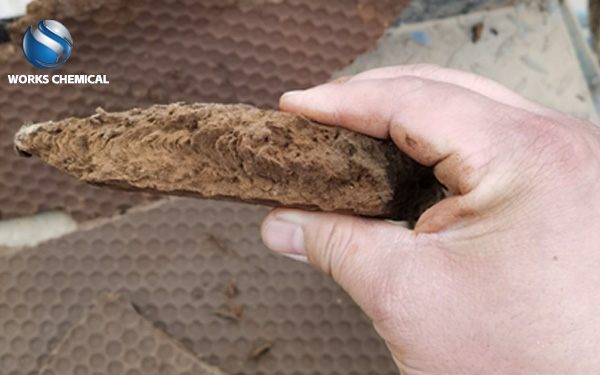
The moisture content of the mud cake has been reduced to below 60%
The filtration speed is increased by 2 to 3 times
The frequency of filter cloth cleaning has been reduced by 50%
The following factors should be considered when choosing a sludge enhancer:
Youdaoplaceholder0 sludge characteristics : organic matter content, pH value, heavy metal content, etc
Youdaoplaceholder0 dewatering equipment : compatibility of different equipment such as plate and frame filter press, centrifuge, belt filter press, etc
Youdaoplaceholder0 disposal methods : Requirements for the moisture content of mud cakes in land use, incineration, landfill, etc
Youdaoplaceholder0 Environmental impact : biodegradability of the agent, risk of secondary pollution
The application of sludge enhancers marks the transformation of municipal sludge treatment from "extensive" to "refined". Through scientific selection and reasonable dosing, not only can the dehydration efficiency be significantly improved, but also a win-win situation of treatment cost and environmental benefits can be achieved.