

In the sludge treatment industry, the persistently high moisture content of sludge has always been a key issue restricting treatment efficiency and cost. Traditional treatment methods such as natural drying and mechanical filtration not only take a long time and are inefficient, but also have difficulty reducing the moisture content to an ideal level. The emergence of sludge enhancers has provided an innovative and efficient solution to this difficult problem.
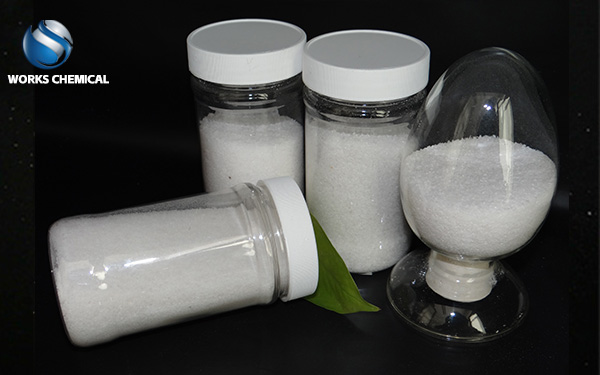
It can rapidly reduce the moisture content with remarkable effects
The core advantage of sludge enhancers lies in their powerful dewatering capacity. It destroys the hydration film on the surface of sludge particles through chemical reactions, converting bound water into free water, thereby significantly reducing the binding force between sludge and water. In practical applications, after adding the sludge efficiency enhancer, the dewatering speed of sludge is significantly accelerated, and the moisture content can be significantly reduced in a short period of time. For instance, when a certain urban sewage treatment plant was dealing with excess sludge, it originally adopted mechanical pressure filtration, which could only reduce the moisture content of the sludge to 75% - 80%. After the introduction of the sludge enhancer, after the same period of pressure filtration treatment, the moisture content of the sludge can be reduced to 55% - 60%, and the dewatering effect is significantly improved.
Improve processing efficiency and shorten processing cycles
In addition to reducing the moisture content, sludge enhancers can also enhance the overall efficiency of sludge treatment. During the sludge dewatering process, sludge enhancers can improve the fluidity of sludge, making it easier for sludge to pass through the filter press equipment and reducing the occurrence of equipment blockage and malfunctions. Meanwhile, due to the accelerated dehydration rate, the processing cycle is also shortened accordingly. Take the sludge treatment of a large paper mill as an example. Before using the sludge enhancer, only a certain amount of sludge could be treated each day, and it required a relatively long treatment time. After using the enhancer, the daily sludge treatment volume has increased significantly, and the treatment time has been shortened by nearly one third, greatly improving production efficiency.
Reduce processing costs and achieve a win-win situation for both the economy and the environment
From a cost perspective, sludge enhancers also have obvious advantages. On the one hand, it reduces the volume and weight of sludge, lowering the costs of subsequent transportation and disposal. On the other hand, due to the improvement in processing efficiency, the operating time and energy consumption of the equipment have also been reduced accordingly, further lowering the processing cost. In addition, sludge enhancers usually adopt environmentally friendly formulas and will not cause secondary pollution to the environment. Compared with traditional chemical conditioners, it is greener and more sustainable, meeting modern environmental protection requirements.
It has a wide range of applications and can meet diverse needs
The application scope of sludge enhancers is very wide. They can not only be used for the treatment of excess sludge in urban sewage treatment plants, but also for the sludge produced in the treatment of industrial wastewater, such as in the papermaking, dyeing and printing, and chemical industries. Different types of sludge have different characteristics, but sludge enhancers can be adjusted specifically according to the composition and nature of the sludge to achieve the best dewatering effect.
Practical application cases bear witness to outstanding results
A certain chemical enterprise generates a large amount of oily sludge during the production process. This sludge has a high oil content and viscosity. Traditional treatment methods are ineffective and costly. The enterprise introduced a sludge efficiency enhancer for experimentation. After a period of use, the moisture content of the sludge dropped from over 90% to around 65%, and at the same time, the volume of the sludge was significantly reduced, with transportation and disposal costs notably lowered. In addition, the treated sludge can also be resourcefully utilized, such as as fuel or used to make building materials, achieving a double harvest of economic and environmental benefits.
Sludge enhancers have become powerful assistants in the field of sludge treatment due to their remarkable effects such as rapidly reducing moisture content, enhancing treatment efficiency, lowering costs, and having a wide range of applications. It not only solves the problems of traditional treatment methods, but also provides strong support for the resource utilization of sludge. With the continuous improvement of environmental protection requirements and the continuous development of sludge treatment technology, sludge efficiency enhancers are bound to play a more important role.