

In sewage treatment and related industries, plate and frame filter presses are commonly used sludge dewatering equipment. However, its operating costs have always been a key concern for enterprises. How to reduce the operating costs of the plate and frame filter press for sludge pressing has become an urgent problem for many enterprises to solve. Among them, the rational use of sludge dewatering agents - sludge enhancers is an effective method.
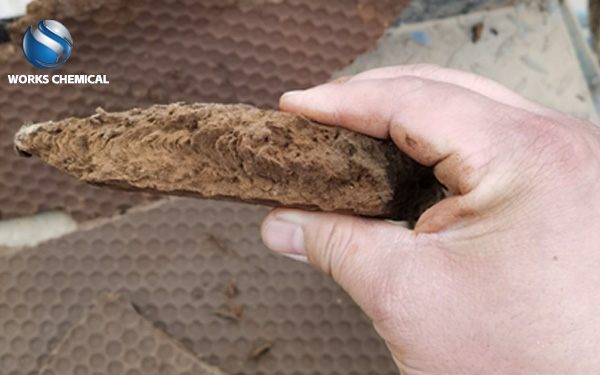
The reasons for the high operating cost of sludge pressing by plate and frame filter presses
Pharmaceutical cost
Traditional sludge dewatering agents are often used in large quantities, and some of them are relatively expensive. For instance, some commonly used inorganic flocculants need to be added in large quantities to achieve better dewatering effects. This not only increases the cost of chemical procurement but may also cause subsequent treatment problems due to excessive addition.
Equipment wear and tear and maintenance costs
During the operation of the plate and frame filter press, if the sludge dewatering effect is poor, it will lead to the filter cloth being prone to clogging and wear, increasing the frequency of filter cloth replacement. Meanwhile, when equipment operates at high load for a long time, it is prone to malfunction and requires frequent maintenance, which undoubtedly increases the maintenance cost of the equipment.
Labor cost
When the efficiency of sludge dewatering is low, in order to meet production demands, it may be necessary to increase the working hours and workload of operators or add more staff, thereby leading to an increase in labor costs.
The principle by which sludge enhancers reduce operating costs
Reduce the dosage of the medicine
Sludge enhancers have highly efficient flocculation and dewatering effects. It can quickly combine with the particles in the sludge to form larger flocs, making the sludge easier to dewater. Compared with traditional chemicals, the use of sludge enhancers can significantly reduce the dosage of chemicals. For instance, in some cases, after using sludge enhancers, the dosage of the chemicals can be reduced by 30% to 50%, significantly lowering the cost of the chemicals.
Improve dehydration efficiency and reduce equipment wear and tear
The sludge enhancer improves the dewatering performance of sludge, enabling the plate and frame filter press to remove water from the sludge more quickly and thoroughly during the filtration process. This not only enhances the dewatering efficiency, shortens the filtration cycle, but also reduces the contact time and friction between the filter cloth and the sludge, lowers the wear degree of the filter cloth, extends its service life, and thereby reduces equipment wear and maintenance costs.
Enhance production efficiency and reduce labor costs
Due to the enhanced dewatering efficiency of the sludge enhancer, the processing capacity of the plate and frame filter press has been improved, enabling it to complete more sludge dewatering tasks in a shorter time. This means that enterprises can enhance production efficiency without adding equipment, reduce the working hours and workload of operators, and thereby lower labor costs.
Reducing the operating costs of the plate and frame filter press for sludge pressing is of vital importance to the economic benefits of enterprises. Sludge enhancers, with their advantages such as reducing the dosage of chemicals, lowering equipment wear and tear, and enhancing production efficiency, have become an effective means to lower operating costs. When enterprises choose sludge dewatering agents, they should fully consider the application of sludge efficiency enhancers to achieve the dual goals of cost reduction and benefit improvement.