

In the field of sewage treatment and sludge disposal, the moisture content of sludge has always been a key indicator that attracts much attention. Sludge with a high moisture content not only has a large volume and occupies a lot of space, but also increases the difficulty and cost of transportation and subsequent treatment. The emergence of sludge enhancers has provided an efficient solution to this problem, and the moisture content of sludge can be significantly reduced after application.
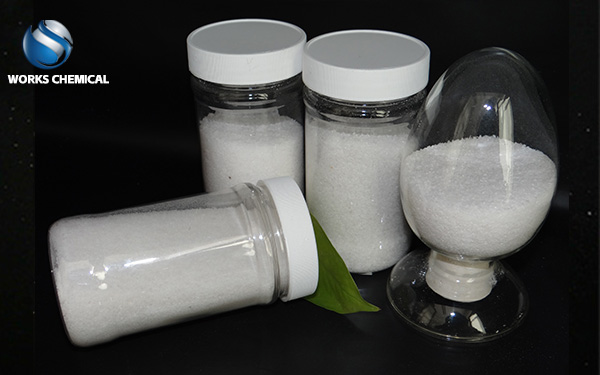
The widespread existence of the problem of sludge moisture content
The sludge produced during the sewage treatment process is complex in composition, containing a large amount of water, organic matter and impurities. Traditional dehydration methods, such as natural sun-drying, are restricted by weather conditions and have extremely low efficiency. Mechanical dewatering equipment, such as plate and frame filter presses and centrifugal dewatering machines, although they have improved dewatering efficiency to a certain extent, often consume a large amount of energy, and the moisture content of the dewatered sludge is still difficult to reach the ideal level. For instance, the moisture content of sludge after dewatering treatment in urban sewage treatment plants is generally controlled below 80%. However, when the treated sludge is to be used for landscaping, according to relevant standards, the moisture content should be controlled below 40%. When used for mixed landfill, the moisture content should be controlled below 60%. Obviously, relying solely on traditional dewatering methods is difficult to meet the requirements for sludge moisture content in different applications.
The working principle and advantages of sludge enhancers
The reason why sludge enhancers can achieve excellent dewatering effects lies in their unique chemical composition and mechanism of action. It contains inorganic compounds, sludge surface structure modifiers, degreasing agents, cell wall disruptors, sludge surface treatment agents, sludge stripping agents and other components. After being added to the sludge, these components will rapidly react with organic matter, colloidal substances, etc. in the sludge. On the one hand, it can disrupt the charge balance on the surface of sludge particles, reduce the viscosity of sludge, and make it easier for the water originally tightly wrapped inside the sludge particles to be released. On the other hand, it can also form bridge structures between sludge particles, gathering fine sludge particles together to form larger flocs. These flocs are not only more easily retained by the plate and frame filter press, but also during the filtration process, water can be discharged from the flocs more smoothly, thus achieving deep dewatering of sludge.
Compared with common dewatering agents, sludge enhancers have obvious advantages. Traditional water treatment agents often require the addition of lime to achieve dehydration effects, which not only increases costs but also corrodes equipment and clogs filter cloths. The sludge enhancer does not require the addition of lime, does not corrode equipment, and is conducive to the subsequent resource utilization of sludge such as incineration, brick-making, and composting. Meanwhile, it requires a small amount of addition, has a significant effect on reducing sludge volume, can greatly increase the sludge pressing rate of mechanical equipment, and shorten the sludge pressing cycle.
Remarkable achievements in practical applications
In actual sewage treatment plants, sludge enhancers have demonstrated remarkable dewatering effects. Take a certain municipal sewage treatment plant as an example. The plant generates a large amount of sludge every day. The moisture content of the sludge treated by the original dewatering process is as high as over 80%, which not only increases the transportation cost but also causes difficulties for the subsequent sludge disposal. After the introduction of the sludge enhancer, after a period of experimentation and adjustment, the moisture content of the dewatered sludge was significantly reduced to below 60%. This change not only significantly reduces the volume of sludge and lowers transportation costs, but also provides more favorable conditions for subsequent disposal methods such as sludge incineration and landfill.
Sludge enhancers, with their unique composition and mechanism of action, have achieved remarkable results in reducing the moisture content of sludge. It not only solves the problems of low efficiency and high cost of traditional dewatering methods, but also makes positive contributions to the resource utilization of sludge and environmental protection. With increasingly strict environmental protection requirements and continuous progress in sludge treatment technology, sludge enhancers are expected to be widely applied in more fields, promoting the sludge treatment industry to develop in a more efficient and environmentally friendly direction.