

In the field of municipal sludge dewatering treatment, sludge enhancers are gradually becoming the key "powerful tool" to enhance treatment effects. They have demonstrated outstanding performance in increasing the inflow rate and reducing the moisture content of sludge cakes.
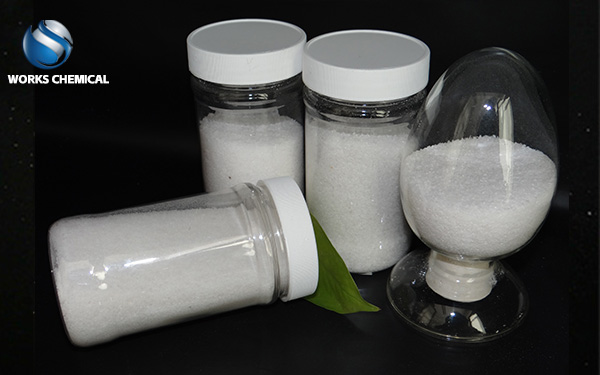
Increase the water inflow speed
The problem of water inflow in traditional sludge dewatering
In the traditional municipal sludge dewatering treatment process, the physical properties of the sludge are an important factor affecting the inflow rate. Municipal sludge usually contains a large amount of organic matter, microorganisms and various impurities, which make the sludge highly viscous. When sludge enters dewatering equipment such as plate and frame filter presses, its viscosity causes sludge particles to adhere tightly to the inner walls of the filter channels, gradually accumulating and forming blockages. Once the filter channel is blocked, the flow of sludge will be greatly hindered, the inflow rate will slow down, and the processing efficiency of the equipment will drop significantly. For instance, in some treatment plants where sludge enhancers are not used, equipment originally designed to handle 10 tons of sludge per hour may only process 5 to 6 tons per hour due to the slow inflow rate, which seriously affects the operational efficiency of the entire sewage treatment system.
The principle by which sludge enhancers improve the inflow rate
Sludge enhancers can effectively improve the physical properties of sludge, thereby increasing the inflow rate. It reacts with organic matter, colloids and other substances in sludge through specific chemical components, altering the surface charge distribution and molecular structure of sludge particles. On the one hand, sludge enhancers can reduce the electrostatic repulsion between sludge particles, making it easier for sludge particles to aggregate together and form larger particle clusters. These larger particle clusters encounter less resistance during the flow process and can pass through the filter channel more smoothly. On the other hand, sludge enhancers can also reduce the viscosity of sludge and decrease the adhesion between sludge particles and the inner walls of the filter channels. When sludge enters the dewatering equipment, sludge particles will not easily adhere to the filter channels, thus avoiding clogging and significantly increasing the water inflow speed.
Practical application effect
In actual municipal sludge dewatering treatment projects, the improvement in the inflow rate after the use of sludge enhancers is very significant. Take a large-scale sewage treatment plant as an example. Before the introduction of sludge enhancers, the water inflow speed of the plate and frame filter press was relatively slow, with each feeding time lasting for 30 to 40 minutes, which seriously affected the treatment efficiency of the equipment. After the use of the sludge enhancer, after a period of debugging and optimization, the feeding time was shortened to 15-20 minutes, and the processing capacity of the equipment was significantly enhanced. The equipment that could originally handle only 200 tons of sludge per day can now process 300 to 350 tons of sludge per day, significantly enhancing the operational efficiency of the entire sewage treatment system and reducing operating costs.
Reduce the moisture content of the mud cake
The hazards of high moisture content in mud cakes
The moisture content of the mud cake is one of the important indicators for measuring the dewatering effect of municipal sludge. If the moisture content of the mud cake is too high, it will bring many difficulties to the subsequent transportation and disposal. During transportation, mud cakes with high moisture content are heavy and large in volume, which requires more energy consumption and transportation costs. Moreover, during transportation, problems such as mud and water leakage are prone to occur, causing secondary pollution to the environment. In terms of disposal, mud cakes with high moisture content are difficult to be disposed of by conventional methods such as incineration and landfill. If incineration treatment is carried out, the high moisture content mud cake requires a large amount of fuel to evaporate the moisture, increasing the incineration cost. If landfill treatment is carried out, the high moisture content of the mud cake will lead to an increase in the leachate production of the landfill, increase the burden of leachate treatment, and may also cause environmental problems such as groundwater pollution.
The principle by which sludge enhancers reduce the moisture content of sludge cakes
Sludge enhancers can break the binding force between water and solid particles in sludge, making it easier for water to separate from the sludge. The water in sludge is usually divided into two forms: free water and bound water. Free water refers to the moisture existing in the gaps between sludge particles and is relatively easy to remove. Bound water, on the other hand, is water that is closely bound to sludge particles through chemical bonds, hydrogen bonds and other forces, and is difficult to remove. The chemical components in the sludge enhancer can react with the functional groups on the surface of sludge particles, changing the surface properties of sludge particles and weakening the binding force between water and solid particles. Meanwhile, the sludge enhancer can also promote the decomposition of microorganisms in the sludge, breaking down the organic matter in the sludge into small-molecule substances and further releasing the bound water. During the dehydration process, more free water and bound water are discharged, and the moisture content of the mud cake is significantly reduced.