

In the field of sludge treatment, enhancing dewatering efficiency and reducing the moisture content of sludge have always been the core goals. The emergence of sludge enhancers has provided strong support for the realization of this goal.
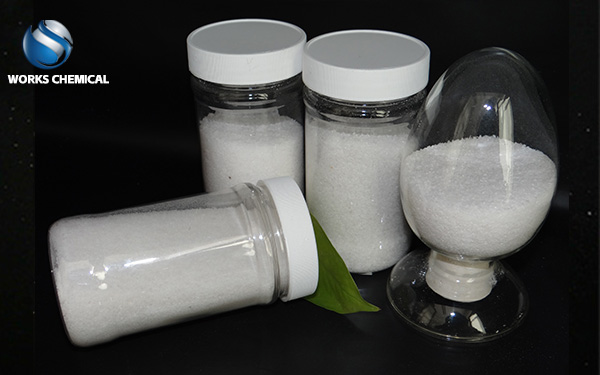
The Problem of sludge dewatering and the Role of enhancers
Sludge, due to its high water content and viscous texture, often encounters problems such as low efficiency and difficulty in reducing its water content during the dewatering process. Traditional dewatering methods, such as mechanical filtration and centrifugal dewatering, although they can reduce the volume of sludge to a certain extent, often fail to achieve the desired dewatering effect. Sludge enhancers, through their unique chemical properties, interact with the water and solid particles in the sludge, altering its physical and chemical properties, thereby enhancing the dewatering efficiency and reducing the moisture content.
How can sludge enhancers improve dewatering efficiency
Sludge enhancers can disrupt the colloidal structure in sludge, weakening the binding force between sludge particles and making it easier for water to separate from the sludge. At the same time, it can also form a film on the surface of sludge particles, increasing the hydrophobicity of the sludge and further promoting the discharge of water. These effects work together to make the sludge dewatering process smoother and significantly improve the dewatering efficiency.
The contribution of synergists to reducing moisture content
Moisture content is an important indicator for measuring the effect of sludge dewatering. Sludge enhancers directly reduce the moisture content in sludge by enhancing dewatering efficiency, thereby lowering the moisture content. This not only helps to reduce the volume and weight of sludge, lower transportation and disposal costs, but also enhances the subsequent utilization value of sludge, such as for composting, incineration for power generation, etc.
Practical application cases
Take a certain sewage treatment plant as an example. After introducing sludge enhancers, the sludge dewatering efficiency of the plant increased by more than 30%, and the moisture content dropped from over 80% to below 60%. This not only significantly improved the treatment effect of sludge, but also brought considerable economic and environmental benefits to the plant.
Sludge enhancers, with their unique chemical properties and remarkable effects, are playing an increasingly important role in the field of sludge treatment. It not only enhances the dewatering efficiency of sludge and reduces its moisture content, but also provides strong support for the subsequent utilization and disposal of sludge. With the continuous advancement of technology and the extensive promotion of applications, sludge enhancers are bound to play a greater role in the field of sludge treatment.