

In the operation of a city, municipal sewage treatment is an important link in ensuring the ecological environment and the quality of life of residents. In the municipal sewage treatment process, sludge dewatering is a crucial and challenging procedure. The large amount of municipal sludge produced generally has a high water content. If effective dewatering cannot be achieved, it will not only occupy a large amount of precious land resources for storage, but also may pose a potential threat to environmental factors such as soil and groundwater due to the infiltration of harmful substances in the sludge. Therefore, it is urgent to find an efficient solution to the problem of municipal sludge dewatering. The emergence of sludge enhancers is like a ray of light, bringing an efficient solution to this difficult problem.
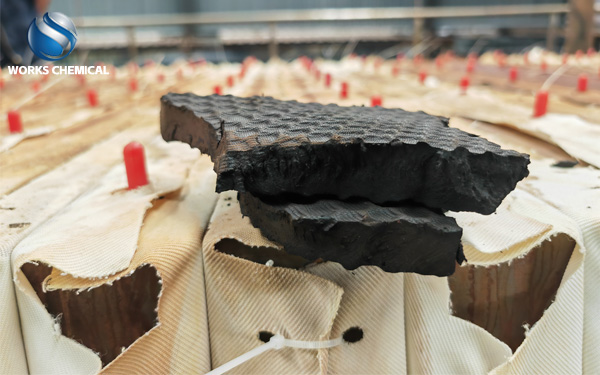
The numerous challenges in municipal sludge dewatering
The composition of municipal sludge is extremely complex. It contains a large amount of organic matter, such as proteins, carbohydrates, fats, etc., which provide rich nutrients for the survival and reproduction of microorganisms. Meanwhile, there are various microorganisms in the sludge, including bacteria, fungi, protozoa, etc., which play different roles in the sludge ecosystem. In addition, sludge may also contain heavy metals such as mercury, cadmium and lead, which are toxic and pose serious hazards to the environment and human health.
Traditional sludge dewatering methods, such as belt filter presses, plate and frame filter presses and centrifugal dewatering machines in mechanical dewatering, often fail to achieve the desired dewatering effect. During the dewatering process, the sludge has a relatively high viscosity and is prone to adhering to the filter cloth, filter plates or drums of the dewatering equipment, leading to equipment blockage. This not only affects the normal operation of the equipment, reduces the dehydration efficiency, but also increases the maintenance cost and downtime of the equipment. Moreover, the moisture content of sludge treated by traditional methods remains high, and the subsequent treatment and disposal costs are high. For instance, landfilling requires a large amount of land, while incineration consumes a lot of energy and may cause secondary pollution.
The magical working principle of sludge enhancers
The reason why sludge enhancers can become powerful assistants in municipal sludge dewatering is attributed to their unique and effective working principle. It can break down the cell walls of microorganisms in sludge, just like a precise scalpel, opening up the cell walls and releasing the water inside the cells. The water within cells is one of the important sources of sludge water-holding capacity. After releasing this part of the water, the water-holding capacity of the sludge is significantly reduced, and the water is easier to separate from the sludge.
Meanwhile, the sludge enhancer can also neutralize the charge on the surface of sludge particles. In sludge, the surface of particles usually carries an electric charge. The repulsive force between like charges makes it difficult for sludge particles to aggregate and settle. The active ingredients in the sludge enhancer can react with these charges, neutralize the charges and reduce the repulsive force between particles. In this way, sludge particles are more likely to aggregate with each other and form closely structured flocs. These flocs have a large particle size and good sedimentation performance, which can more effectively separate water during the dewatering process, thereby improving the dewatering efficiency.
The practical application effect is remarkable and the results are outstanding
In actual municipal sludge dewatering projects, the application effect of sludge enhancers is very remarkable, and numerous cases have proved its outstanding performance. Taking a sewage treatment plant in a certain city as an example, the plant generates a huge amount of municipal sludge every day. Before using sludge enhancers, the traditional dewatering method was adopted, and the moisture content of the sludge cake after dewatering was as high as over 85%. Such a high moisture content makes the mud cake huge in volume. Not only is the transportation cost high, but the subsequent landfill disposal also faces many difficulties. Meanwhile, due to the high viscosity of the sludge, the dewatering equipment frequently malfunctions, requiring frequent shutdowns for cleaning and maintenance, which leads to low treatment efficiency and fails to meet the growing demand for sewage treatment.
To improve this situation, the factory introduced a suitable sludge enhancer. After adding the sludge efficiency enhancer and following a period of operation observation, the effect was immediate. The moisture content of the mud cake has been significantly reduced to around 65%, greatly reducing the volume of the mud cake and lowering the transportation and disposal costs. Moreover, the dehydration efficiency has been significantly enhanced, and the operation of the equipment has become more stable, with frequent clogging and malfunction issues no longer occurring. This not only enhances the overall operational efficiency of the sewage treatment plant but also creates favorable conditions for the subsequent resource utilization of sludge.
In addition, cost and environmental performance are also important factors to be considered when choosing sludge enhancers. Under the premise of ensuring the dewatering effect, sludge enhancers with lower costs should be selected to reduce the operating costs of the sewage treatment plant. At the same time, it is necessary to ensure that the enhancer has good environmental protection performance and will not cause secondary pollution or harm to the environment during the dehydration process.
In conclusion, the sludge enhancer, with its unique working principle and remarkable application effect, has become a powerful assistant for municipal sludge dewatering. It provides an effective way to solve the problem of municipal sludge treatment and helps promote the sustainable development of the urban sewage treatment industry. With the continuous progress and innovation of technology, it is believed that sludge enhancers will play a more important role in the future and create a brighter tomorrow for our urban environment.