

With the acceleration of urbanization and the continuous increase in sewage treatment volume, the problem of sludge treatment and disposal has become increasingly prominent. The moisture content of sludge is one of the important indicators for measuring the effect of sludge treatment, directly affecting the subsequent disposal cost and environmental impact. This article will explore the mechanism of action, application effects and development trends of sludge enhancers in reducing the moisture content of sludge.
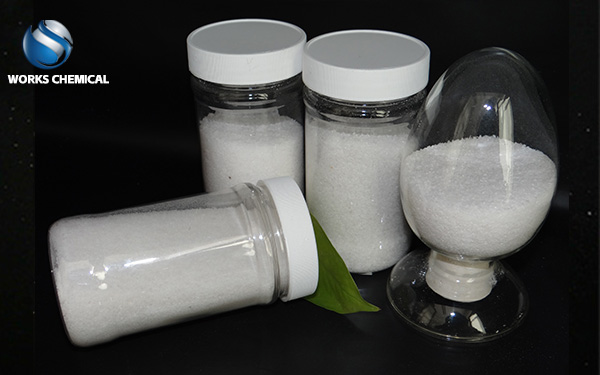
I. The Current Situation and Challenges of Sludge Moisture Content
Sludge is a by-product in the sewage treatment process, usually with a water content as high as 95% to 99%, large in volume and difficult to handle. High moisture content leads to the following problems:
High transportation costs: The vast majority of each ton of sludge is water, which increases the transportation burden
Landfills take up a lot of space: they do not meet increasingly strict environmental protection requirements
Incineration has high energy consumption: The evaporation of water requires a large amount of energy
Difficulties in resource utilization: Affecting resource utilization approaches such as composting and building materials utilization
Traditional mechanical dewatering methods (such as centrifugal dewatering, belt filter press, and plate and frame filter press) can usually only reduce the moisture content of sludge to around 80%, which is difficult to meet the increasingly strict environmental protection standards.
Ii. The Working Principle of Sludge Efficiency Enhancers
Sludge enhancers are a type of chemical agents that can improve the dewatering performance of sludge. They mainly function through the following mechanisms:
Youdaoplaceholder0 Charge neutralization effect : The surface of microbial cells in sludge usually carries a negative charge. The cationic components in the enhancer can neutralize these charges and disrupt the stability of the colloid
Youdaoplaceholder0 Flocculation : Through mechanisms such as bridging and entrapment, fine particles are formed into larger flocs, thereby enhancing the filtration performance
Youdaoplaceholder0 Cell wall breaking effect : Some enhancers can break down the cell walls of microorganisms, release bound water, and enhance dehydration efficiency
Youdaoplaceholder0 Alter surface properties : Reduce the surface tension of sludge particles and decrease the adsorption of water molecules
Iii. Common Types and Characteristics of Sludge Enhancers
The common sludge dewatering agents currently available on the market mainly include the following categories:
Youdaoplaceholder0 inorganic salts : such as ferric chloride, aluminium sulfate, etc
Advantages: Low cost and fast response speed
Disadvantage: Large dosage, which may increase the amount of sludge
Youdaoplaceholder0 organic polymer flocculants : such as polyacrylamide (PAM)
Advantages: Small dosage, good effect
Disadvantages: Relatively high price, and some products may be toxic
Youdaoplaceholder0 compound enhancer : combining inorganic and organic components
Advantages: Good synergy effect and comprehensive performance
Disadvantage: The formula is complex and requires targeted selection
Youdaoplaceholder0 biological enzyme preparation : Destroys the structure of sludge through enzymatic hydrolysis
Advantages: Good environmental friendliness and no introduction of chemical substances
Disadvantages: Long reaction time and unstable effect
Iv. Practical Application Effects of Sludge Enhancers
A large number of practices have shown that the rational use of sludge enhancers can significantly improve the dewatering effect:
The extent of moisture content reduction: Generally, the moisture content of sludge can be reduced from 98%-99% to 60%-75%
Dehydration efficiency improvement: Dehydration time is shortened by 30% to 50%
Cost savings in operation: Considering the cost of chemicals and energy consumption comprehensively, the total cost can be reduced by 15% to 30%
Sludge volume reduction: The reduction effect can reach 40%-60%, significantly lowering disposal costs
Taking a certain sewage treatment plant as an example, after using the sludge enhancer:
After dehydration by the plate and frame filter press, the moisture content was reduced from 82% to 68%
The daily sludge treatment volume has increased by 25%
The annual disposal cost is saved by approximately 1.2 million yuan
V. Precautions for the Use of Sludge Enhancers
To ensure the best effect of the sludge enhancer, the following key points should be noted:
Youdaoplaceholder0 Chemical agent selection : Choose the appropriate type based on the nature of the sludge (composition, pH value, organic matter content, etc.)
Youdaoplaceholder0 Dosage optimization : Determine the optimal dosage through small-scale tests to avoid overdosage or underdosage
Youdaoplaceholder0 Mixing method : Ensure that the reagent fully contacts and reacts with the sludge
Youdaoplaceholder0 equipment adaptation : Adjust the parameters of the dewatering equipment to adapt to the characteristics of the sludge after efficiency improvement
Youdaoplaceholder0 Environmental impact assessment : Focus on the impact of chemical residue on subsequent disposal approaches
Sludge enhancers, as an economical and efficient means of sludge reduction, have demonstrated significant advantages in lowering the moisture content of sludge. With the continuous innovation of technology and the improvement of environmental protection requirements, sludge enhancers will play an increasingly important role in the field of sludge treatment. In the future, efforts should be made to further strengthen basic research, optimize product performance, promote the formulation of industry standards, and facilitate the resource utilization and harmless treatment of sludge.