

Deep sludge dewatering is a crucial step in the wastewater treatment process. Choosing the right dewatering agent not only enhances the dewatering efficiency but also reduces the subsequent treatment costs. This article will guide you on how to scientifically select dewatering agents and recommend an efficient sludge enhancer to help you optimize the sludge treatment process.
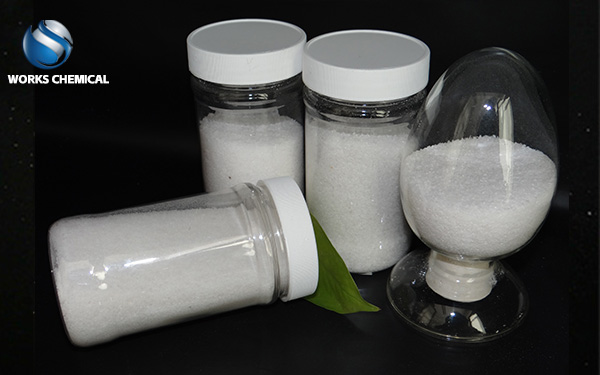
I. Key Points for Selecting Deep Dewatering Agents for Sludge
Analysis of Sludge Characteristics
The characteristics such as organic matter content, viscosity and pH value of sludge directly affect the selection of reagents. For instance, sludge with high organic matter is more suitable for cationic polyacrylamide (CPAM), while inorganic sludge may require the assistance of composite reagents.
Dehydration target
Clarify the moisture content requirements after dehydration. If the moisture content of the sludge needs to be reduced to below 60%, efficient composite chemicals or sludge enhancers are usually required for support.
Economy and Environmental Friendliness
Choose the dosage of the reagent that is small but effective, which can not only save costs but also reduce the risk of secondary pollution.
Device Compatibility
Some of the chemicals may be corrosive to the equipment (such as iron-based chemicals), and the choice should be made based on the material of the equipment.
II. Common Types of Dehydrating Agents
Inorganic Flocculants
Such as polyaluminium chloride (PAC) and poly硫酸 ferric (PFS), which are suitable for treating sludge, but may increase the volume of the sludge.
Organic polymer flocculant
Cationic polyacrylamide (CPAM) is currently the mainstream choice, with excellent flocculation effect and low dosage.
Composite Medication
For difficult-to-treat sludge, the addition of inorganic and organic chemicals in combination can significantly enhance the dewatering efficiency.
III. Recommended High-Efficiency Sludge Enhancing Agents
Among various dehydration agents, the sludge enhancing agent stands out due to its unique advantages and has become the preferred choice for many projects. Here are the characteristics of the sludge enhancing agent:
Efficient Dewatering: By optimizing the formula, it quickly breaks down the sludge's colloidal structure, releases bound water, and significantly reduces the moisture content.
Broadly applicable: Suitable for various types of sludge, including municipal sludge and industrial sludge.
Environmental safety: The ingredients meet environmental standards, avoiding any burden on subsequent processing procedures or the environment.
Economical and practical: The dosage is low, which can effectively reduce the volume of sludge and lower transportation and disposal costs.
IV. Suggestions for Selection
Pilot Testing: It is recommended to conduct a laboratory pilot test first to verify the compatibility between the reagent and the sludge.
Supplier communication: Have a thorough discussion with the pharmaceutical supplier to obtain customized solutions.
Long-term benefit assessment: Taking into account the unit price of the agent, the dosage, and the dehydration effect, the most cost-effective solution is selected.