

The regulation of sewage treatment and sludge disposal is becoming increasingly standardized. The sludge dewatering effect directly affects the operating costs and environmental protection compliance of enterprises. In the face of a wide variety of dewatering agents on the market, many enterprises are confused: Which one has stable performance, is more convenient, costs less, and can truly dry and dehydrate the sludge thoroughly?
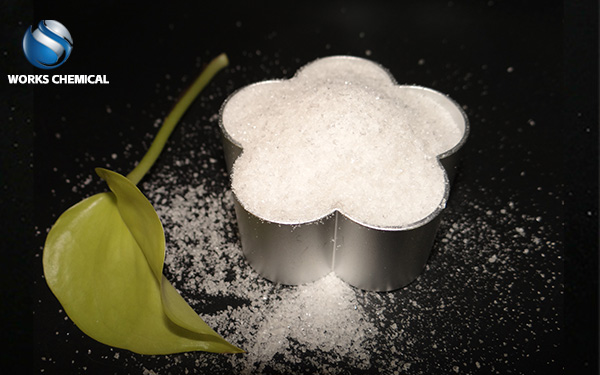
There is no need for repeated trial and error. The sludge enhancer, with its stable effect, high cost-effectiveness and wide applicability, has become the preferred choice for multiple industries such as municipal sewage, papermaking, and dyeing. It solves the problems with technology and empowers enterprises to upgrade their environmental protection capabilities with its strength.
I. Traditional dehydration agents, with inherent drawbacks
The commonly used inorganic and organic dehydration agents have obvious drawbacks in practical applications:
Inorganic coagulants (such as polyaluminium chloride, lime, etc.): High dosage leads to a significant increase in sludge volume, increasing disposal costs; some are corrosive and can also pollute the working environment.
Organic flocculants (such as polyacrylamide): They have a relatively high price, are not well-suited for complex sludge, and are prone to clogging the filter cloth and causing incomplete dehydration.
Recombinant drugs: The process is cumbersome, requiring precise adjustment. The equipment investment is high, and the efficacy is unstable.
A high-quality dehydrating agent should not only be highly effective but also convenient, cost-saving and environmentally friendly - this is precisely the original intention behind the development of the sludge enhancer.
II. Sludge Enhancer, Easily Solves Dewatering Problems
Works has been deeply engaged in the field of environmental new materials. By discarding the shortcomings of traditional chemicals, it has developed a sludge enhancer product based on a modified polymer.
This product requires no complex operations and, with four major advantages, becomes a valuable helper for enterprises in the dewatering process.
Efficient dehydration, with more thorough sludge reduction
Unlike traditional chemicals that can only reduce the moisture content of sludge to 70%-80%, the sludge enhancer can reduce the moisture content of sludge from over 90% to 40%-60%, significantly reducing the volume of sludge and lowering the subsequent disposal costs. The reaction is rapid, the flocs are dense, and the sludge cake naturally falls off after filtration, improving the sludge pressing efficiency and reducing the trouble of cleaning the residue.
2. Lower dosage results in more controllable overall costs
The dosage is only 3%-4% of the dry weight of the sludge, and the cost of the reagent is only 40% of that of traditional reagents, significantly reducing the procurement cost. No additional auxiliary reagents are required, simplifying the process, reducing labor input, and achieving both effectiveness and efficiency.
3. Wide adaptability, no frequent adjustments required
It can be adapted to various types of sludge such as municipal, papermaking, and dyeing sludge. It is compatible with mainstream dewatering equipment including belt, plate and frame, and centrifugal types. No equipment modification is needed. The operation is convenient and can be carried out without personnel presence. It can be adapted to the working conditions of enterprises of different scales.
4. Safe and environmentally friendly, compatible with green development
Does not contain chloride ions, is non-corrosive, and does not damage equipment; the residue of the filtrate is minimal, causing no secondary pollution, and does not alter the nature of the sludge, facilitating the resource utilization of sludge and meeting the requirements of environmental protection policies.