

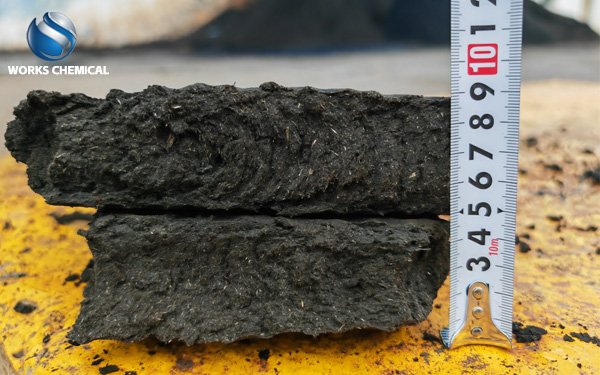
In the treatment and disposal process of municipal and industrial sludge, the plate and frame filter press, with its advantages such as high dehydration efficiency, controllable filter cake moisture content, and strong adaptability, has become the mainstream equipment for deep sludge dehydration. The quality of sludge dehydration depends not only on the operating parameters of the equipment itself, but also on the selection and ratio of the reagents - choosing the right reagents and using the right solution can not only reduce the moisture content of the filter cake, improve the filtration efficiency, but also control the reagent consumption cost and extend the service life of the equipment components. Today, we will introduce to you in detail the commonly used reagents for sludge dehydration by plate and frame filter press, as well as more convenient optimization ideas in the industry.
I. Categories and Characteristics of Common Sludge Dewatering Chemicals for Plate and Frame Filtration Machines
The logic of sludge dewatering in plate and frame filter presses is to break the colloidal structure of the sludge through chemical treatment, release bound water and interstitial water, and form dense flocs of sludge, making it easier for mechanical filtration and dewatering. Currently, the commonly used chemicals in the industry are mainly divided into three categories, each suitable for different sludge characteristics and treatment requirements:
Inorganic coagulants: A cost-effective choice, focusing on charge neutralization
Inorganic coagulants are the basic agents for sludge conditioning. They are affordable in cost and have wide applicability. The core function is to neutralize the negative charges on the surface of sludge particles, thereby destabilizing the colloidal stability. Main varieties include iron salt series (trichloroiron, polymeric ferric sulfate, ferrous sulfate) and aluminum salt series (polymeric aluminum chloride, aluminum sulfate). In some scenarios, lime is also used as an auxiliary conditioning agent.
The dosage of this type of agent is relatively large, which can quickly achieve the effect of sludge flocculation into clumps, and is suitable for the basic conditioning of conventional municipal sludge. However, its disadvantages are also quite obvious. When used alone, the strength of the floccules is relatively weak, and the moisture content of the filter cake after pressing is relatively high. Some acidic agents may also corrode the filter plates and filter cloths, increasing the maintenance cost of the equipment.
2. Organic Flocculants: Highly efficient flocculation, enhancing the compactness of flocs
Organic flocculants, with cationic polyacrylamide (CPAM) as the core representative, are commonly used additives in belt press dewatering. The high molecular chain structure can adsorb and bridge the sludge particles, making loose flocs tightly combine, significantly improving the dewatering performance of the sludge, and resulting in a drier and lower moisture content sludge cake after filtration.
Compared with inorganic agents, organic flocculants require less dosage and have better flocculation effect, making them suitable for sludge scenarios with high organic content and difficult dewatering; however, their single use has a relatively high cost, and they are highly sensitive to the pH value and concentration of the sludge. If the type is not selected properly, problems such as sludge ball slippage, turbid filtrate, and easy clogging of the filter cloth may occur, and they need to be used in combination with inorganic agents for synergy.
3.Auxiliary conditioning agents: Optimize working conditions and make up for the shortcomings of dehydration
To make up for the shortcomings of a single flocculant, the industry often combines auxiliary agents such as filter aids, framework agents, and oxidation breaking agents, such as silica soil, fly ash,and composite conditioning agents. These agents can improve the rheological properties of sludge, increase the support of the sludge framework, reduce the risk of filter cloth blockage, shorten the filtration cycle, and enhance the overall dehydration efficiency.
II. Common Operation and Maintenance Challenges of Traditional Drug Combinations
In actual operation, most projects adopt the "inorganic + organic" drug combination model, but still encounter many problems: Firstly, the drug consumption remains high, and the cost of sludge disposal keeps rising; Secondly, the treatment effect of difficult-to-dewater sludge is poor, the filter cake moisture content does not meet the standard, and the subsequent transportation and disposal are very difficult; Thirdly, the filter cloth wears out quickly and requires frequent cleaning, which not only increases the operation workload but also shortens the service life of the consumables; Fourthly, some drugs have strong corrosiveness, and long-term use will damage the main equipment of the filter press, increasing hidden costs.
The root cause lies in the fact that traditional agents only focus on "forming clumps", failing to completely address the issue of the bound water in the extracellular polymers of sludge, nor can they strike a balance between the dehydration efficiency and the operation and maintenance costs. In response to this industry pain point, an increasing number of projects have begun to adopt a new type of sludge enhancer agent, achieving better dehydration results at a lower cost.
III. New Ideas for Improving Quality and Reducing Costs: Sludge Enhancer Enables Plate and Frame Dewatering
The sludge enhancer, as a new auxiliary agent for dewatering, primarily functions by breaking the stubborn colloidal structure of the sludge, releasing bound water, and enhancing the strength of the flocs while improving the permeability of the filter media. This enables the full utilization of the effects of conventional flocculants. Compared to blindly increasing the dosage of chemicals, when combined with a specific enhancer, it not only reduces the dosage of inorganic and organic flocculants but also lowers the moisture content of the filter cake and extends the service life of the filter cloth, achieving "improved quality, reduced costs, and increased efficiency" as a triple benefit.
Based on the dehydration characteristics of plate and frame filter presses, WORKS sludge enhancer has been deeply applied in the sludge conditioning scenarios for municipal and industrial sludges for many years. Relying on a specifically optimized formula system, it perfectly adapts to various types of sludge such as municipal and industrial sludges. The product adopts a neutral and mild formula, without corrosiveness or secondary pollution. It can not only effectively break the sludge viscosity, increase the filtration speed, shorten the filtration cycle, but also reduce filter cloth blockage and lower the cleaning frequency. It has excellent compatibility with various conventional flocculants and can be quickly implemented and achieve good results without modifying the original equipment and process flow. It has become the preferred enhancement solution for many plate and frame dehydration projects.
IV. Conclusion: Scientific selection of reagents enables more efficient sludge dewatering
For the selection of sludge dewatering reagents in plate and frame machines, there is no absolute "optimal solution"; only the scheme that best suits the sludge quality and operating conditions of the project exists. Common flocculants are the foundation, while sludge enhancers are the key to improving efficiency. When selecting reagents, enterprises can first determine the dosage ratio through small-scale sludge tests, and then optimize the plan based on their own operation and maintenance needs. This not only ensures that the dewatering meets the standards but also strictly controls the overall cost.
In the future, as the standards for sludge disposal continue to rise, efficient, environmentally friendly and cost-effective treatment solutions will become the mainstream in the industry. We will also continue to focus on the field of sludge dewatering, providing more professional products and more considerate services to help various sludge treatment projects improve efficiency and quality, and contribute to the green environmental protection cause.