

In the field of sludge treatment, traditional inorganic conditioning agents such as calcium salts, iron salts, and aluminum salts have long been widely adopted due to their low application barriers and convenient raw material availability. However, as environmental protection standards continue to rise and the pressure on enterprises to control costs keeps increasing, the inherent drawbacks of these traditional agents have become increasingly prominent, gradually becoming a "stumbling block" that hinders the efficient advancement of sludge treatment.
The core problems of traditional inorganic conditioning agents are mainly concentrated in two aspects: "high consumption and low efficiency" and "hidden costs". On one hand, the dosage is extremely high, which not only directly increases the cost of purchasing the agents, but also leads to a significant increase in the weight of the sludge cake after dehydration, resulting in a subsequent rise in transportation and disposal costs. On the other hand, traditional agents are unable to reduce the moisture content of the sludge to the desired range, resulting in unstable dehydration effects and prone to causing filter cloth blockage, equipment corrosion and other problems. This not only reduces the processing efficiency but also increases hidden costs such as equipment maintenance and replacement, making the overall operating costs of the enterprise even higher.
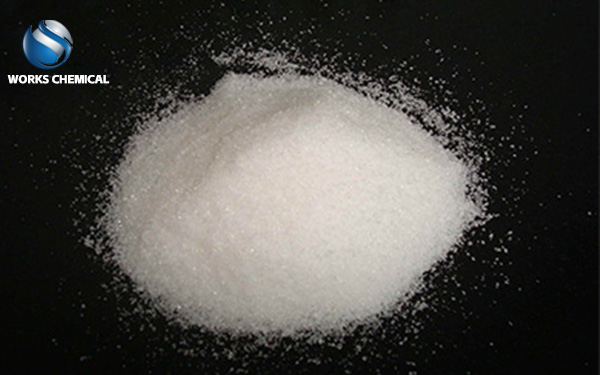
In response to industry challenges, Works Chemical, leveraging its years of technological research and development experience, has launched a new generation of composite conditioning agent (sludge enhancer) with great significance. Through technological innovation, it breaks through the limitations of traditional chemicals and brings a brand-new solution to the field of sludge dewatering. This enhancer is not a simple replacement of a single component; instead, it achieves optimization of sludge dewatering performance at its root through the synergistic effect of multiple components.
Compared with traditional agents, the new generation of composite conditioning agents (sludge enhancers) demonstrate significant advantages. In terms of dosage, their highly active components can achieve "less is more", significantly reducing the amount of agent used per unit of sludge, directly alleviating the pressure on the enterprise's agent costs; in terms of dewatering effect, they can further reduce the sludge moisture content, stabilize the sludge cake moisture at a lower level, and reduce the problem of increased sludge weight, thereby reducing the subsequent disposal costs from the source. In addition, this enhancer has a lower risk of clogging the filter cloth and significantly reduces the corrosiveness to the processing equipment, which not only extends the equipment lifespan but also reduces the frequency of filter cloth replacement, further lowering the operating costs of the enterprise.
What is more worthy of attention is that the new generation of composite conditioning agents (sludge enhancers) have achieved an upgrade in environmental performance. Their composition design is more in line with the green treatment concept, avoiding the secondary pollution risks that traditional agents may bring, and helping enterprises easily cope with increasingly strict environmental standards. For sludge treatment enterprises that pursue efficiency, economy and environmental protection, this enhancer is not only an update of the agent, but also an optimization and upgrade of the treatment mode, providing a sustainable sludge dewatering new path for the enterprise under the dual pressure of cost and environmental protection.