

In recent years, the national environmental protection policies have been continuously tightened, and the environmental standards for sludge treatment and disposal have been continuously improved. Among them, the adjustment of the sludge factory discharge moisture content indicator has become a "difficult test" faced by many enterprises. From the previously commonly implemented 80% moisture content standard, it has gradually tightened to 60% or even lower. This seemingly only a 20-percentage-point difference actually hides a technical gap in the industry, becoming a "stumbling block" that hinders enterprises from complying with regulations and achieving sustainable development.
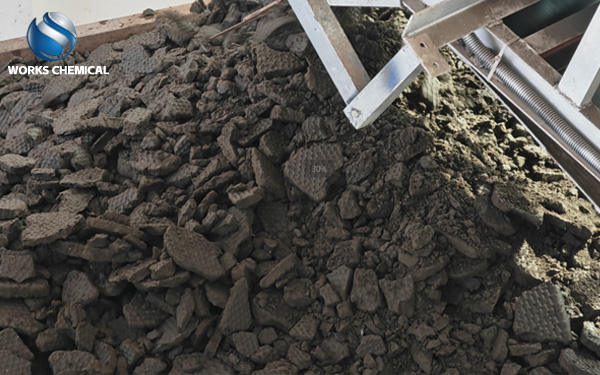
In the sludge treatment industry, the control of moisture content directly affects the transportation, disposal and environmental protection risks of sludge. Reducing the moisture content from 80% to 60% is not merely a simple process of "dehydrating and reducing volume". It is a comprehensive test of the entire treatment process, equipment performance and the effectiveness of chemicals. Many enterprises, in an attempt to comply with the upgraded standards, blindly invested a large amount of funds in upgrading dehydration equipment and replacing coagulation agents. However, they ended up in a predicament of "high investment, poor effect, and instability" - either they could barely meet the standards temporarily, but the moisture content rebounded after a period of operation; or the chemical consumption was too high, significantly increasing the treatment costs, and ultimately they were unable to achieve long-term stable compliance, and even faced the risks of environmental penalties and production suspension.
At a time when the industry as a whole is facing technical bottlenecks, Works Chemical Co., Ltd., leveraging its years of in-depth experience in the field of sludge treatment, took technological innovation as the breakthrough point to precisely address the pain points of this industry. The company established a professional technical team, spending many years collecting and analyzing thousands of sludge samples from various sources and with different properties. They deeply analyzed the technical difficulties in the sludge dewatering process and understood the impact of different sludge components and water quality conditions on the dewatering effect. Based on its rich practical experience, the company developed targeted sludge treatment solutions, helping enterprises easily cross the threshold of water content compliance.
As the core of the solution, Works Chemical's sludge enhancer, with its outstanding performance, has become a crucial tool for enterprises to cope with the upgrading of environmental protection standards. This sludge enhancer has been optimized through repeated trials and can precisely adapt to different types of sludge. It effectively breaks the sludge's colloidal structure, improves the sludge's dewatering performance, significantly reduces the sludge's moisture content, and ensures that the post-treatment sludge moisture content is stably below 60% as per the standard, thus completely solving the problem of meeting the standards for enterprises.
Compared with traditional chemicals, Works Chemical's sludge enhancer not only has more stable dewatering effects, but also reduces the dosage of chemicals, lowers the treatment cost, and avoids secondary pollution, achieving a dual improvement of environmental protection and benefits.
Relying on professional technical support and a complete service system, Works Chemical New Materials Co., Ltd. has helped numerous enterprises successfully complete the upgrade of sludge treatment, achieving stable compliance with moisture content standards and getting rid of environmental protection troubles. In the future, Works Chemical New Materials will continue to deeply focus on the sludge treatment field, concentrate on industry demands, continuously optimize technologies and products, and provide more efficient, more economical and more environmentally friendly solutions to help enterprises achieve green and sustainable development, and contribute to the environmental protection cause.