

Core pain point: Traditional inorganic chemicals have poor conditioning effects, are unable to break the sludge's colloidal structure, and the moisture content of the sludge cake remains high.
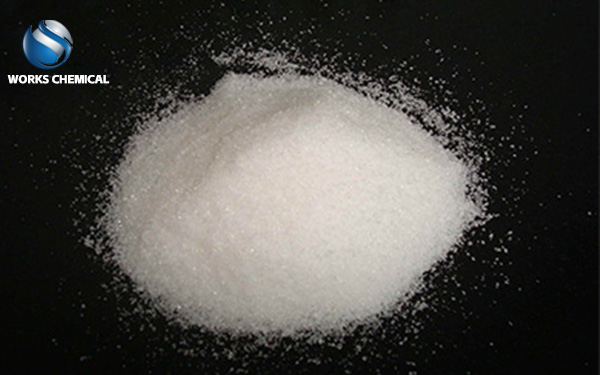
On this day in 2026, environmental emission standards are becoming increasingly strict, yet the sludge dewatering processes of many wastewater treatment plants and industrial enterprises are still stuck at the traditional stage of "iron salts/aluminum salts + lime". This seemingly cost-effective solution per ton of chemicals actually conceals a huge efficiency crisis and hidden costs.
The action mechanism of traditional inorganic chemicals is relatively simple. They can only neutralize the electric charges on the surface of the sludge to deal with the free water. However, the truly difficult-to-remove substances in the sludge are the bound water tightly bound by colloidal particles and the intracellular water within the microbial cells. Facing these "stubborn molecules", traditional chemicals are helpless. This directly leads to the frequent occurrence of severe "soft center" phenomenon in the filter cake after pressing - the surface appears dry, but the interior is soft like mud, with a water content that remains stuck in a bottleneck period and cannot meet the strict standards for subsequent incineration or landfill.
The sludge enhancer independently developed and produced by Works Chemical is precisely designed to break this technical deadlock. It abandons the traditional extensive conditioning and adopts an innovative modified polymer formula, integrating three core functions of conditioning, flocculation, and dehydration. It is no longer just a simple physical mixture, but a deep chemical "modification" of the sludge.
This sludge enhancer can precisely penetrate the colloidal protective layer of the sludge, fundamentally breaking its stable structure and completely releasing the water locked inside. Compared to traditional agents, it can form a denser and more resilient floc framework, providing perfect feeding conditions for the subsequent plate and frame filtration. Choosing the sludge enhancer is not just a change of the agent, but also a comprehensive upgrade of the dewatering process, making deep dewatering effortless and efficient.