

In the wastewater treatment system, the disposal of sludge is a key challenge in the final operation and maintenance. The original sludge has a stable colloidal structure, high moisture content, and poor permeability. The conventional dehydration process is difficult to achieve deep reduction in volume, resulting in high disposal costs and low resource utilization rate. Sludge enhancer, as an efficient and environmentally friendly sludge conditioning aid, can fundamentally optimize the physical and chemical properties of sludge, improve the dehydration efficiency and disposal quality. It has now been widely applied in municipal wastewater and industrial wastewater treatment fields.
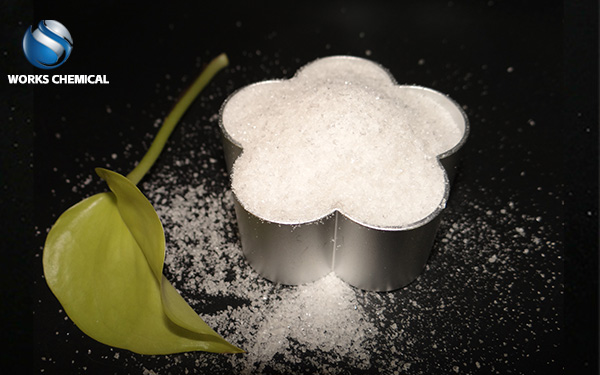
Sludge enhancers are typically composed of high-molecular polymers, disintegrating components, and active additives, and they function through multiple synergistic mechanisms. Firstly, through the neutralization of charges, they counteract the negative charges on the surface of the sludge particles, eliminate the electrostatic repulsion between the particles, and disrupt the stable colloidal system. Secondly, they can damage the cell walls and extracellular polymer structures of sludge microorganisms, release intracellular bound water that is difficult to remove by conventional processes, and solve the core problem of sludge dewatering. At the same time, the product has a strong adsorption bridging effect, which can aggregate fine sludge particles into dense large flocs, improve the filtration permeability of sludge, avoid filter cloth clogging, and meet the operational requirements of various dewatering equipment.
Compared with traditional lime, iron salt and other conditioning agents, the core advantages of sludge enhancer are very prominent. Traditional agents can only remove the surface moisture of sludge, resulting in limited dehydration effect and significantly increasing the ash content of sludge while reducing the organic matter content. This restricts the subsequent resource utilization. However, sludge enhancer does not require large-scale addition, with low dosage of the agent and no secondary pollution. After dehydration, the moisture content of sludge can be significantly reduced, and the volume of sludge can be significantly decreased, effectively lowering transportation and disposal costs. At the same time, the organic matter of the treated sludge is not damaged and can directly be adapted to resource utilization paths such as composting, incineration, and material utilization, with the resource utilization rate increasing by more than 40%.
Currently, the sludge enhancer has extremely strong adaptability and can be used for the pre-treatment and deep dehydration treatment of various industrial sludges such as municipal domestic sludge, dyeing, chemical, and papermaking. Its process adaptability is high, and there is no need to modify the existing sewage treatment equipment. It can directly be compatible with conventional dehydration processes such as plate and frame filtration and belt filtration, and the operation is simple and convenient.
Under the circumstances where environmental protection regulations are becoming increasingly strict and the demand for sludge resource utilization is continuously increasing, sludge enhancers, with their advantages of high efficiency, energy saving, environmental friendliness and low cost, have become the preferred solution for sludge reduction, stabilization and resource utilization disposal. They provide strong support for the cost reduction and efficiency improvement, as well as the green and low-carbon development of the wastewater treatment industry.