

The sludge dewatering workshop using plate and frame equipment often encounters problems such as sticky sludge cakes adhering to the filter cloth and difficulties in discharging. This significantly increases the labor intensity for operators, accelerates the wear of the filter cloth, and raises the maintenance and operation costs. After adjusting with lime and iron-aluminum salts, the flocs become highly hydrophilic, and the fine sludge particles can embed into the micro-pores of the filter cloth fibers. After the pressing process, the sludge cake tightly adheres to the filter cloth and cannot be automatically removed. For each batch of discharging, manual high-pressure water guns are required for repeated rinsing and cleaning. The daily manual operation time for a single equipment has significantly increased, and the labor cost in the workshop remains high.
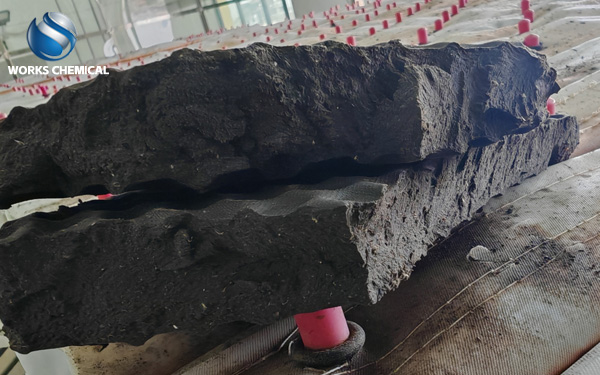
The fine sludge continuously blocks the micropores of the filter cloth, causing a continuous decline in the filter cloth's water permeability. The sludge inlet speed slows down, the pressing cycle lengthens, and the filter cloth needs to be replaced at regular intervals. The cost of consumables keeps rising. Manual cleaning generates a large amount of wastewater, increasing the burden on sewage treatment. The workshop site becomes muddy and messy, with poor working conditions. When the sludge composition fluctuates, the problem of sticking the filter cloth will further intensify, seriously affecting the continuous production.
The sludge enhancer addresses the problem of sludge clumping through molecular hydrophobic modification at the particle structure level. The formed sludge clumps have hydrophobic surfaces, and after pressing, the sludge cake automatically separates from the filter cloth, facilitating discharge and significantly reducing the workload of manual rinsing, thereby lowering the labor intensity of frontline workers. The sludge structure is dense, and fine sludge particles are encapsulated, making it difficult for them to penetrate or clog the micro-pores of the filter cloth. The cleaning cycle of the filter cloth is prolonged, and the frequency of replacement is significantly reduced, saving the cost of filter cloth consumables.
The sludge enhancer is compatible with a 24-hour continuous plate and frame production line. It can improve the discharge effect for papermaking fiber sludge, highly viscous printing and dyeing sludge, and municipal activated sludge. The company offers free on-site sampling and on-site debugging services, optimizing the dosage of the chemical agent, and maximizing the automatic discharge. It also provides 24-hour technical consultation and free after-sales tracking, continuously improving the working environment of the workshop, and reducing the double expenses of labor and consumables.