

With the increasingly strict environmental control measures, the reduction, stabilization and resource utilization of sludge have become mandatory standards for wastewater treatment in various industries. The traditional sludge dewatering process that relied on lime, polyaluminum chloride, and iron salts has become unable to meet the current environmental policies and the cost reduction requirements of enterprises. Problems such as filter cloth adhesion, excessive moisture content, and high disposal costs have become common challenges across the entire industry.
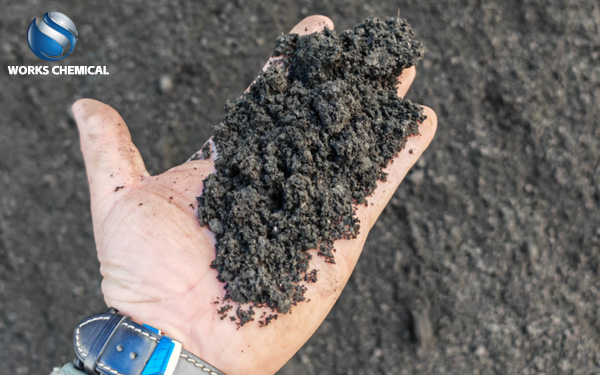
The limitations of traditional technologies have become increasingly evident: inorganic conditioning agents can only achieve surface flocculation and cannot solve the problem of internal bound water in sludge, making it difficult to meet the moisture content standards for sludge cakes; the hydrophilic nature of the flocs causes the filter cloth to stick, and the operation and maintenance of the equipment is cumbersome; the addition of heavy-duty chemicals leads to an increase in the total amount of sludge without any reduction, which is contrary to the policy orientation of "reducing sludge volume". In an environment where the cost of solid waste disposal is rising year by year, continuing to use the old solutions means that enterprises will have to bear high costs and compliance risks continuously.
In this context, sludge enhancer has become the mainstream upgrade direction in the industry. This modified polymer composite agent focuses on the application scenarios of plate and frame filter presses, precisely addressing the three major pain points of the industry: ✅ Deep dewatering: Breaking the water-lock structure of sludge, effectively reducing the moisture content of the sludge cake, meeting the requirements for environmental protection disposal and resource utilization; ✅ Say goodbye to sticky filter cloth: Forming hydrophobic and dense flocs, the sludge cake can be automatically discharged, reducing the loss of manpower and filter cloth; ✅ Cost reduction and efficiency improvement: With a small dosage and no increase in sludge volume, it provides a one-stop solution to reduce multiple costs such as chemical agents, manpower, and solid waste disposal.
Currently, this solution has been widely applied in various fields such as papermaking, municipal sewage, dyeing, slaughter, mineral processing, oil fields, etc., and is suitable for large, medium and small-sized enterprises of all kinds. At the same time, we provide a complete set of on-site implementation services: free on-site sample collection, laboratory pilot tests, on-site solution customization, and full-process technical guidance. With zero threshold, we help enterprises complete process upgrades.
Environmental protection is an inevitable trend, and cost reduction and efficiency improvement are urgent matters. To get rid of the predicament of traditional sludge dewatering, choosing the right chemicals and services is essential for steady progress in the industry. If you have any problems related to sludge dewatering, please feel free to exchange ideas and discuss, and we will customize a dedicated solution for you.