

At the final stage of wastewater treatment, sludge dewatering is not only a mandatory task for environmental compliance, but also a crucial battle for enterprises to reduce costs and increase efficiency. In the face of a wide variety of sludge dewatering agents on the market, how to scientifically select the right type and find a reliable source factory has become a pain point for many pollution-discharging enterprises and wastewater treatment plants.
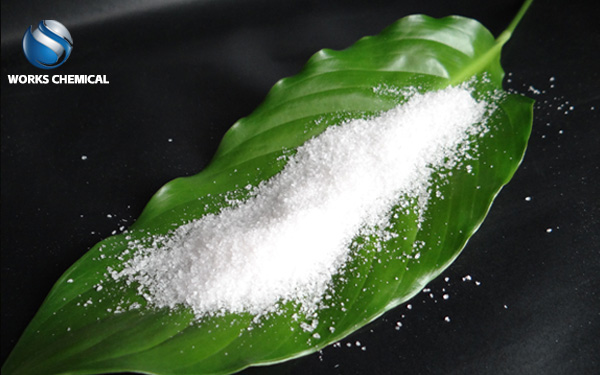
What are the sludge dewatering agents? Analysis of the three main types
The core function of sludge dewatering agents (also known as sludge conditioning agents) is to change the surface structure of the sludge, reduce its specific surface area and damage the bacterial cell walls, thereby significantly improving the dewatering performance. Currently, the dewatering agents available on the market are mainly divided into the following three categories:
Inorganic conditioning agents: Representative examples include polyaluminium chloride (PAC), ferric chloride, aluminum sulfate, and lime. These agents mainly achieve sludge particle coagulation through electrical neutralization and compression of the double electric layer. However, their drawback is that the dosage is large (usually requiring 5% to 20% of the dry solid weight of the sludge), which not only leads to significant increases in sludge volume and absolute dry weight, but also causes severe corrosion to the filter press equipment.
Organic polymer conditioning agent: Mainly composed of polyacrylamide (PAM), it is classified into cationic, anionic and nonionic types. Its advantage lies in the extremely low dosage (0.1%-0.5%), where the high molecular chain's adsorption bridging effect forms large flocs. However, for complex sludge with high organic content and abundant bound water, using PAM alone often fails to achieve deep dewatering, and the sludge cake's moisture content remains relatively high.
Composite/Novel Enhancing Agents: This is the current mainstream direction in the industry. It combines the advantages of inorganic and organic chemicals and incorporates components such as emulsifiers, defatting agents, and surface structure modifiers. These agents can deeply break down the extracellular polymers (EPS) inside the sludge, releasing bound water, and achieve deep dewatering without increasing the dry weight of the sludge.
The bottlenecks and solutions of traditional processes
In actual production, many enterprises have found that even when using traditional calcium, iron, aluminum salts or conventional PAM, they still encounter practical problems such as low mud cake fineness, thin mud cake in filter press, low output, and easy clogging of filter cloth. This not only increases the high disposal costs of solid waste in the subsequent stage, but also seriously slows down the production efficiency.
In response to this industry challenge, Works Chemical Co., Ltd., leveraging its decade-long deep research and development in the field of deep sludge dehydration, has successfully developed a revolutionary sludge enhancer, providing a brand-new breakthrough solution for sludge treatment.
Why choose Works Chemical?
As a high-tech enterprise specializing in the first-line research and development of various sludge drying segments, Works Chemical Co., Ltd. not only provides products, but also offers customized solutions that directly address the pain points. Its main promoted sludge enhancers (such as the SJC series) have the following core advantages:
True sludge reduction, saying goodbye to the "weight increase" problem: Unlike traditional inorganic conditioning agents, Works Chemical's sludge enhancer does not increase the dry weight of the sludge, nor does it alter the pH value or organic matter content of the sludge. It can reduce the moisture content of the sludge from over 90% to 40%-60%, truly achieving significant reduction in sludge volume and weight.
Reconstructing the sludge cake structure and enhancing the filtration efficiency: This reagent reacts quickly and fully reacts with the solid substances. When used in plate and frame filter presses, it can handle large amounts of sludge without increasing the pressing time. The filtered sludge cake is thick, with uniform dryness both inside and outside, completely eliminating the common "soft center" phenomenon in traditional processes. Moreover, the sludge cake can naturally fall off, significantly reducing the cost of manual cleaning.
Multi-functional and versatile, applicable in a wide range of scenarios: Whether it's sludge from paper mills, sludge from municipal wastewater treatment plants, or various industrial sludge, Works Chemical can provide targeted models. The product can operate without human intervention 24/7, with little residual substances in the filtrate and clear effluent.
Reduce costs at the source and facilitate resource utilization: Due to the low moisture content and high calorific value of the dehydrated sludge cake, it significantly reduces the transportation and disposal costs of enterprises, and also creates excellent conditions for subsequent resource utilization such as incineration power generation and composting.
The selection of sludge dewatering agents should not merely stop at the level of "buying the agent", but rather should involve "buying the process, buying the service, and buying the cost reduction plan". Works Chemical Co., Ltd., with its solid first-line practical experience, continuously optimized product portfolio, and comprehensive after-sales technical services, is helping more and more enterprises solve the actual problems of sludge dewatering. If you are facing the difficulties of poor sludge dewatering effect and high disposal cost, you might as well delve into Works Chemical's sludge efficiency enhancer to let the professional technical team customize an efficient and low-consumption sludge treatment plan for you.